

A wedding budget can be one of the more stressful parts of the entire wedding planning process. There are so many beautiful possibilities, and it can feel like there is always something else you could add.
A budget can help bring some clarity to all those choices.
Start by deciding what matters most to you, then let those priorities guide how you spend. You may not be able to have everything, but you can make thoughtful choices about the things that matter to you.
Start with what matters
Before assigning numbers to every category, talk about what you want your wedding to feel like and what you hope to remember.
Maybe it is an incredible meal around a long table. Maybe photography matters deeply to you. Maybe you want a beautiful setting, a great band, or an evening with plenty of time to visit with the people you love.
There is no universal list of what deserves the most money.
Choose three things that matter most to you as a couple. Let those priorities shape the rest of your budget.
Don’t spend equally
You don’t need to give every part of the wedding the same amount of attention or money.
If photography is important to you, invest there. If flowers aren’t a priority, keep them simple. If you care most about the experience your guests have, food, music, and hospitality may deserve more of your budget.
Think about where you’ll notice the difference.
That’s where your money can do the most for you.
Look at value, not just price
The least expensive option isn’t always the best value, but the most expensive one isn’t automatically better either.
Consider the whole experience. How much experience does the vendor bring? How do they communicate? What will they handle for you? How comfortable are you trusting them with an important part of the day?
Sometimes a lower price means taking on more work yourself. Sometimes paying more gives you greater expertise, better service, or fewer things to manage.
When comparing vendors, ask:
What am I getting for this investment?
Tell vendors what matters to you
Your vendors can help you make better decisions when they understand your priorities.
You don’t need to share every detail of your finances. Tell them what matters most and where you need to be careful.
“We really care about photography, but flowers aren’t a priority.”
“We want a wonderful dinner, but we don’t need elaborate décor.”
“We’d rather have fewer things and do them well.”
That gives a good vendor something to work with. They may be able to suggest a different approach, simplify an idea, or show you where an investment will make the biggest difference.
Choose a few things that deserve attention
You don’t have to make every part of the wedding elaborate.
Think about the places where an investment will have the greatest effect. Maybe it’s the ceremony setting, dinner, the music, or the way the room feels when guests arrive.
Then keep some other choices simple.
Ceremony flowers can become part of the reception. Smaller centerpieces can still make a table feel beautiful. Renting décor can make more sense than buying things you won’t use again. And some details simply don’t need to be there.
Thoughtful doesn’t have to mean complicated.
Remember that your time has value, too
DIY can save money, but it can also take more time than expected.
Think about the shopping, assembling, transporting, storing, and fixing. Something that seems simple in a photograph can become a weekend of work once you’re doing it yourself.
Flowers are a good example. They require preparation and careful attention at a time when you may have plenty of other things to do.
Before taking something on yourself, ask:
Do we actually want to do this, or are we doing it because we think we should?
Your time and energy are part of the cost, too.
Plan for the wedding you’re actually having
It is easy to build a budget around weddings you’ve seen online or at someone else’s celebration.
Your wedding is different.
Your guest count, venue, season, location, traditions, and priorities all affect what makes sense.
A wedding for 60 people will have different needs from one for 180. A relaxed dinner will require different choices from a formal celebration.
Build your budget around the wedding you are actually planning.
Leave some room
Even well-planned weddings have surprises.
A last-minute need. A change in guest count. Something you hadn’t considered when you first made the budget.
Leave some room for those things from the beginning.
When something unexpected comes up, return to your priorities. If it matters enough to make room for, adjust something else. If it doesn’t, let it go.
Having some flexibility makes those decisions much easier.
Don’t let comparison set your budget
There will always be another wedding that looks different from yours. More flowers. More décor. A bigger band. A detail you hadn’t considered until you saw it.
That can make it easy to lose sight of what you wanted in the first place.
Your wedding doesn’t need to look like anyone else’s.
Make choices that fit your relationship, your circumstances, and the experience you want to have together.
A meaningful wedding can be simple or elaborate. What matters is that the choices feel intentional.
When the day finally arrives, the budget has done its job. You have decided where to spend, where to simplify, and what matters enough to include.
Now you get to enjoy the result.📌 Save this post for later inspiration.
 If you’re looking for a venue that values thoughtful planning, seamless execution, and meaningful celebration, you can learn more about hosting your wedding at Warrenwood Manor >>HERE<<.
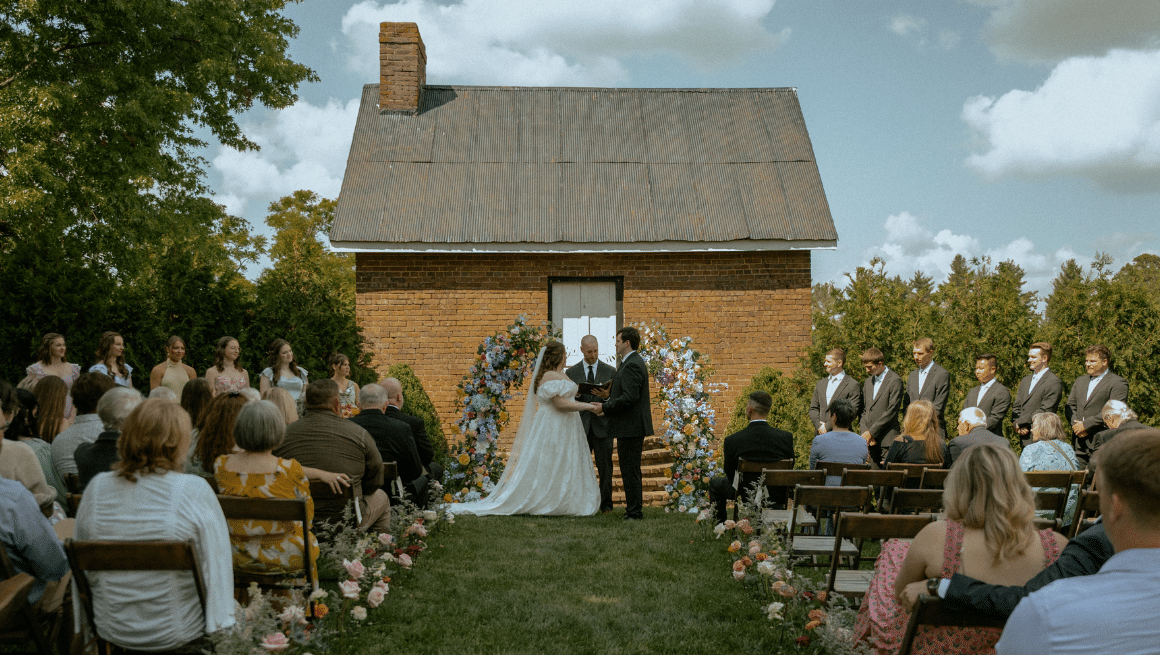
Feature image by Sam Schnabel Photography.


Be the first to comment